Why Human Connection Is the Ultimate Competitive Advantage in the Age of AI
Artificial intelligence is changing the way we work at an extraordinary pace. It can write emails, summarize meetings, generate presentations, analyze data, and automate countless routine tasks. Every day, new tools promise to make us faster and more productive.
But while technology continues to transform the way we work, it hasn't changed the way people make decisions.
People still buy from people they trust.
Teams still perform best when they communicate openly.
Leaders still earn influence through authenticity, not automation.
And meaningful relationships are still built through genuine human connection.
In many ways, those human skills have become even more valuable.
As organizations embrace AI, hybrid work, and digital communication, opportunities for authentic connection have become less frequent. Conversations are shorter. Meetings happen through screens. Messages are often reduced to texts, emails, and chat threads. While technology has made communication faster, it hasn't necessarily made it better.
That's why organizations are placing renewed value on the uniquely human abilities that technology can't replicate: building trust, reading the room, communicating with presence, listening actively, and creating genuine rapport.
Why Human Connection Matters More Than Ever In The Age of AI
As artificial intelligence continues transforming the way we work, communicate, market, sell, and create, one thing has become increasingly clear:
The more digital our world becomes, the more valuable genuine human connection becomes.
Technology can automate processes.
It can generate information.
It can even simulate conversation.
But it cannot replace the emotional intelligence, trust, presence, empathy, and authentic connection that human beings create with one another in real time.
And in today’s workplace and event environment, those uniquely human skills matter more than ever.

The Tone of Your Voice Sets the Tone of Your Culture
The Tone of Your Voice Sets the Tone of Your Culture
Why Vocal Delivery Is a Leadership Skill—and a Cultural Signal
You’ve probably heard this before: It’s not what you say—it’s how you say it. But let’s take that a step further:
The way you say something doesn’t just shape communication. It shapes your culture.
Tone of voice is one of the most overlooked leadership tools in the workplace. It’s subtle, fast-acting, and incredibly influential.
In a single sentence, your tone can:
Build trust—or erode it
Inspire action—or shut people down
Make people feel safe—or trigger resistance
And that emotional impact? It ripples through your entire organization.
Why Great Workplace Culture Starts With How You Communicate
Creating a great workplace culture doesn’t happen by accident—it happens by design. And that design starts with one of the most overlooked performance levers in your organization: how your people communicate.
As a workplace culture keynote speaker, I’ve seen firsthand how communication patterns shape company culture from the inside out. It’s not just what you say—it’s how you say it that drives connection, sparks creativity, and builds the kind of team environment where people feel empowered to thrive.


How One Virtual Keynote Sparked a Breakthrough in My Speaking Career
How One Virtual Keynote Sparked a Breakthrough in My Speaking Career
And Set Me on a Mission to Help Organizations Build Stronger Workplace Cultures
Sometimes, the moments you least expect are the ones that change everything.
Back in 2020, I was scheduled to deliver a live keynote in Dubai for the prestigious Million Dollar Round Table Global Conference. Flights were booked. The stage was set.
And then—just like that—the pandemic shut everything down.
Live events vanished overnight, and like so many in the speaking and performance world, my entire calendar was wiped clean.
Except for one thing.
MDRT decided to go virtual—and they still wanted me to speak.

The Hidden Skills That Shape Your Workplace Culture
The Hidden Skills That Shape Your Workplace Culture
Why Tone, Body Language, and Presence Matter More Than You Think
Culture doesn’t come from the top down—it happens in the in-between moments. The way a manager gives feedback. The tone someone uses in a meeting. The way people listen—or don’t.
These aren’t just “soft skills.” They’re hidden performance drivers that shape how your team communicates, collaborates, and performs every day.
In fact, some of the most important cultural signals you send aren’t in your words at all.

Why Emotion Is the Engine of Workplace Culture
Why Emotion Is the Engine of Workplace Culture
And What That Means for Communication, Leadership, and Team Performance
Meta Description:
Emotions—not logic—drive decisions, behavior, and culture. Discover how emotional tone shapes workplace communication and how leaders can use it to create more connected, high-performing teams.
If you’ve ever closed a deal, resolved a conflict, or led a team through change, you’ve seen this firsthand:
People don’t respond to logic. They respond to emotion.
This principle isn’t just true in sales—it’s true in the workplace. Every day, your people are making decisions based on how they feel about what’s being said, who’s saying it, and how it's delivered.
And that emotional climate? It’s shaping your workplace culture—moment by moment.
The Art of Engagement: Why Attention Is the New Workplace Superpower
The Art of Engagement: Why Attention Is the New Workplace Superpower
And How Leaders Can Use It to Build a Culture of Connection
We talk a lot about engagement in business—especially in sales. How to keep someone’s attention. How to move them to action. How to make the message stick.
But what if we’ve been thinking too narrowly?
Because engagement isn’t just a sales tactic.
It’s a culture skill. And one that most organizations overlook.
In today’s world of distractions and digital overload, the ability to capture and hold attention is one of the most powerful things a leader—or team—can do.
It’s the key to:
Leading more effective meetings
Creating stronger collaboration
Building real human connection at work
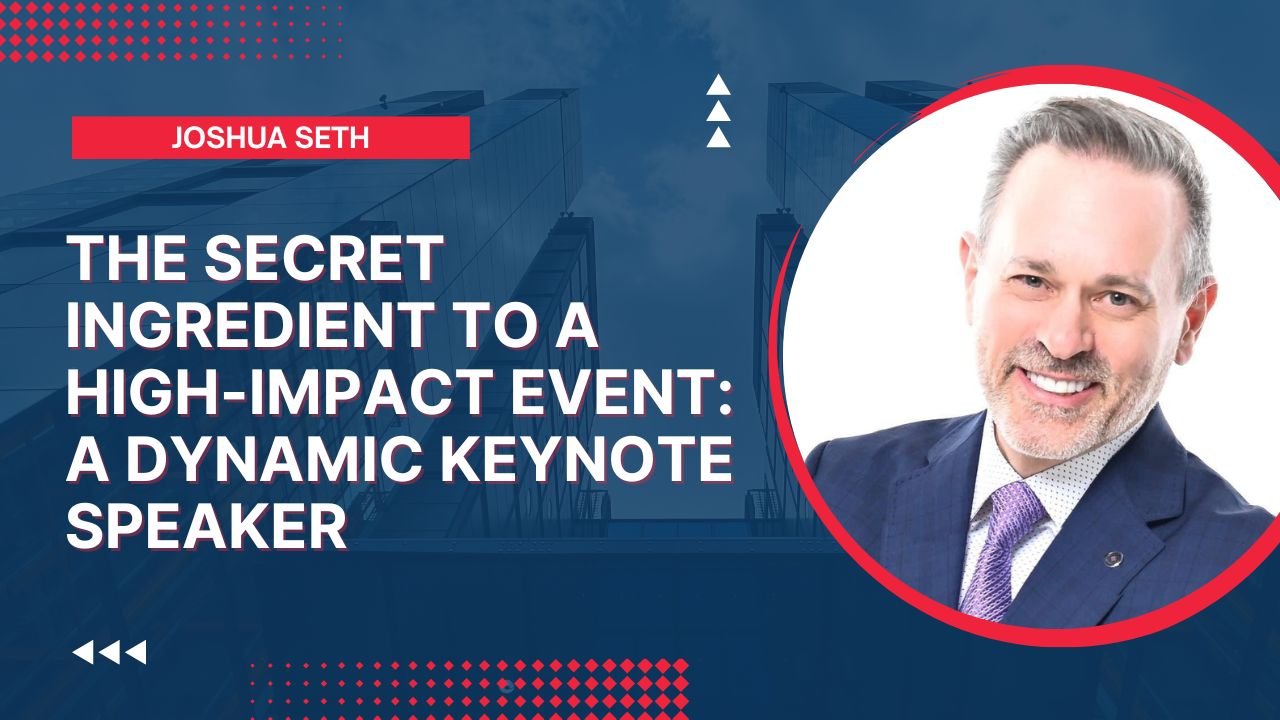
The Secret Ingredient to a High-Impact Culture Event: A Dynamic Keynote Speaker
The Secret Ingredient to a High-Impact Culture Event: A Dynamic Keynote Speaker
Why the Right Speaker Can Spark Connection, Creativity, and Lasting Change
Every company wants their next event to be impactful.
To inspire change.
To align people around a mission.
To unlock something new.
But here’s the problem:
Most corporate events are forgettable.
Too much information, not enough emotion.
Too many slides, not enough spark.
Great intentions—but no momentum after the final applause.
That’s where the right keynote speaker makes all the difference.